
Australian Polyclinic · Sleep medicine
Why Do I Wake Up Gasping or Choking in My Sleep?
Waking up gasping for air can be a sign of obstructive sleep apnea, especially if you snore or someone sees you stop breathing while sleeping. Asthma, reflux and heart problems can also wake you with breathing symptoms. How the episode starts, what your partner notices and how you feel after waking can help your doctor decide what to check.
Reviewed and approved by Dr G Sarwar Chaudhry on .
MBBS, FRACP (Australia), FCCP (USA) · Consultant Pulmonologist and Sleep Physician
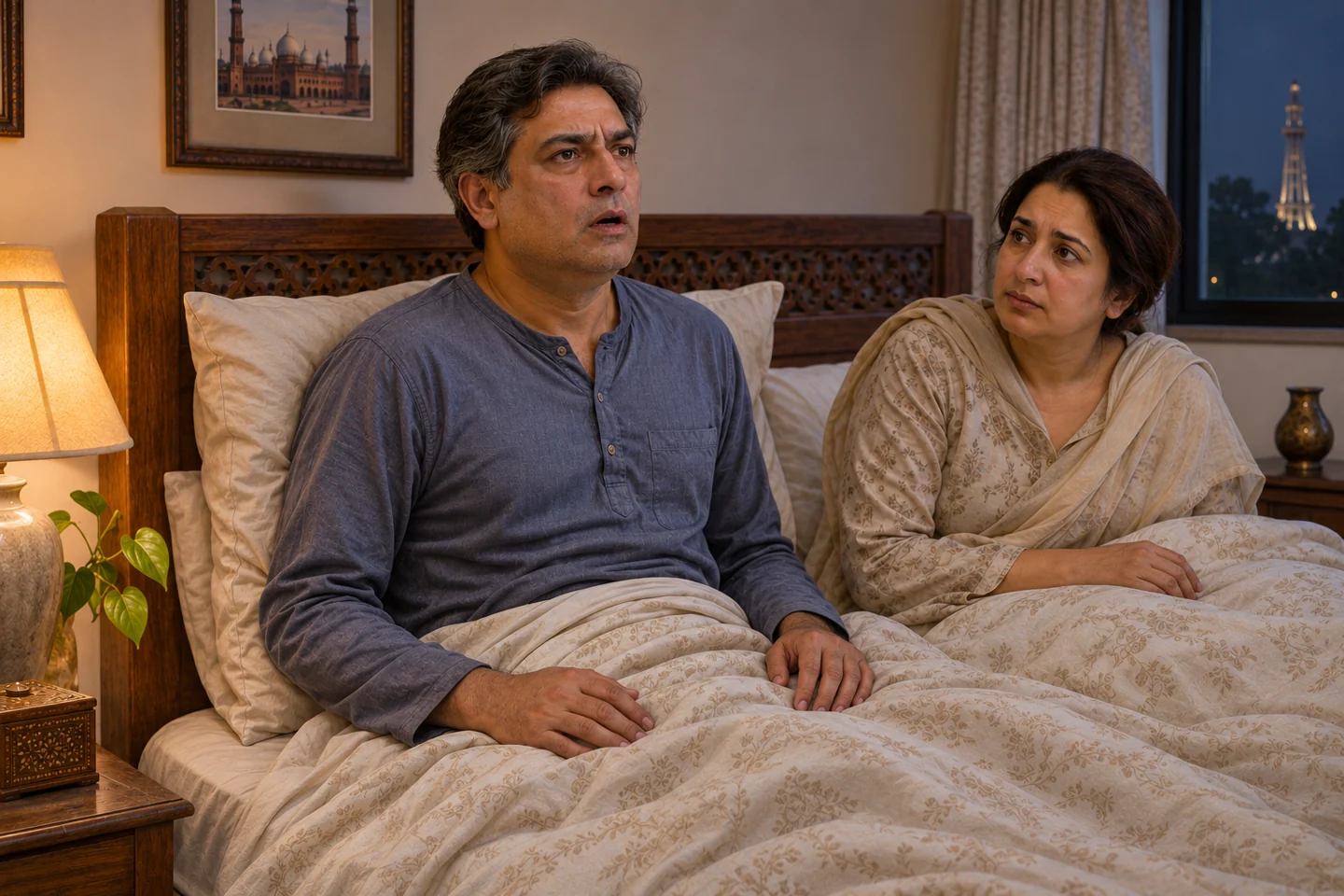
Could waking up choking mean sleep apnea?
In obstructive sleep apnea (OSA), the airway behind the tongue and soft palate becomes narrow or closes during sleep. Breathing may become shallow or pause even though your chest is still trying to draw air in. A brief awakening helps reopen the airway, sometimes with a loud snort, gasp or choking sound. You may remember only one episode even if your sleep was interrupted several times. [3] [4]
What your partner may notice
- Loud or uneven snoring, followed by a quiet pause and then a snort or gasp.
- Repeated pauses, sometimes more obvious when you sleep on your back.
- Restless sleep or repeated episodes you do not recall in the morning.
What you may notice
- Waking with a gasp, a dry mouth, or a headache in the morning.
- Unrefreshing sleep, fatigue, or difficulty concentrating.
- Dozing while reading, watching TV, or sitting in traffic.
Some people mainly report fatigue or frequent awakenings. High blood pressure is another relevant clue. If you sleep alone, describe what you experience and how you feel the next day. Our guide to snoring and sleep apnea explains which snoring patterns are worth discussing. [3] [4]
What else can wake you gasping for air?
Notice whether you wake with a blocked-throat sensation, a wheezy chest, or breathlessness that continues after you sit up. Several conditions can coexist, so these clues guide the assessment.
Asthma at night
Wheeze, coughing or chest tightness can wake you, and symptoms may linger after you sit up. A pattern of similar symptoms with exercise, cold air or other triggers makes an asthma assessment relevant. If you already have asthma, tell your doctor how often it wakes you and how often you need your reliever. [5]
Reflux or a brief throat spasm
Heartburn, a sour taste or regurgitation can point toward reflux. In a laryngospasm, the vocal folds briefly close and you may wake feeling unable to breathe in, sometimes followed by a high-pitched sound as breathing returns. Reflux can trigger a spasm. Episodes that recur are worth describing to your doctor. [6]
Heart or lung problems
Waking breathless and needing to sit upright for relief, especially if you also need more pillows, have new ankle swelling or get more breathless walking or climbing stairs, can point to a heart problem and needs prompt assessment. A clinician may also consider other lung causes. [7]
Nocturnal panic attacks
A panic attack can wake you with a pounding heart, sweating, shaking, intense fear and a sense of breathlessness. Similar symptoms can occur with physical conditions, so mention any snoring, breathing pauses, wheezing or chest pain during assessment. [8]
When should I arrange an appointment?
- Book a medical review if gasping or choking keeps happening, someone repeatedly sees pauses in your breathing, or you feel unusually sleepy during the day. Avoid driving if you are struggling to stay awake or have dozed at the wheel and seek prompt medical advice. [11]
- Seek same-day medical advice for new or worsening breathlessness while lying flat, breathlessness that continues after waking, or breathlessness along with new ankle swelling. Use emergency help if symptoms are severe or accompanied by emergency warning signs. [1] [7]
What happens at a sleep assessment?
Describe what happens at night and the next day
Your doctor will ask when episodes began, how often they happen, whether you snore, how long it takes to recover and whether you feel sleepy during the day. A partner’s description can help. Mention asthma, reflux, high blood pressure, heart or lung disease, and medicines such as sleeping tablets or opioids.
Choose a test that fits the pattern
A clinician may recommend a sleep study if apnea is suspected. A home sleep apnea test can suit some adults with a typical pattern and no complicating conditions. A more comprehensive study, called polysomnography, can measure sleep stages as well as breathing and oxygen. It may be preferred if you have significant heart or lung disease, take opioids regularly, have severe insomnia, or if an initial home apnea test is negative or inconclusive and apnea remains suspected. [4]
Review the result and the next steps
Your clinician interprets the recording alongside your symptoms and medical history. If apnea is confirmed, options may include positive airway pressure (such as CPAP) or other measures depending on the type and severity. If symptoms point elsewhere, your doctor may recommend asthma testing, cardiac assessment or another evaluation. [4] [9]
Prepare for your appointment
Use these prompts to make a short note for your doctor. You can select the ones that apply and copy them into your own notes app. The checklist runs in your browser.
Common questions
Can I have sleep apnea if I rarely wake up gasping?
Yes. Brief awakenings often go unnoticed. A partner may hear pauses and gasps that you do not remember. Repeated observed pauses or high daytime sleepiness are worth investigating. [3]
Does a normal smartwatch oxygen reading rule out sleep apnea?
A normal wearable reading gives limited information about airflow, breathing effort and brief awakenings. Bring any reports you have to your appointment. Diagnosis relies on a clinical assessment and appropriate testing. Our overnight oximetry guide explains what overnight oxygen readings can show. [4] [10]
Should I book a consultation or a sleep study first?
Start with a consultation if the cause is unclear, you have other medical conditions, or you are unsure which test is appropriate. Your clinician can recommend a study or suggest a different assessment based on your symptoms.
What if I only gasp when sleeping on my back?
Back sleeping can make obstructive events more noticeable in some people. Tell your clinician about the pattern. Repeated choking, witnessed pauses or daytime sleepiness still warrant a review, even if changing position helps.
Book a sleep medicine consultation in Lahore
Dr G Sarwar Chaudhry, consultant pulmonologist and sleep physician, assesses nighttime breathing symptoms at Australian Polyclinic, DHA Phase 5. A consultation can help identify which tests, if any, are appropriate.
Explore the sleep medicine service · About Dr G Sarwar Chaudhry
References
- NHS. Shortness of breath.
- Government of Punjab. Emergency Services Department (Rescue 1122).
- National Heart, Lung, and Blood Institute. Sleep apnea symptoms.
- Kapur et al. AASM clinical practice guideline for diagnostic testing for adult obstructive sleep apnea. J Clin Sleep Med, 2017.
- National Heart, Lung, and Blood Institute. Asthma symptoms.
- Cleveland Clinic. Laryngospasm.
- American Heart Association. Physical changes to report for heart failure.
- Mayo Clinic. Nighttime panic attacks.
- National Heart, Lung, and Blood Institute. Sleep apnea treatment.
- Khosla et al. AASM position statement on consumer sleep technology. J Clin Sleep Med, 2018.
- Strohl et al. American Thoracic Society guideline on sleep apnea, sleepiness and driving risk. Am J Respir Crit Care Med, 2013.